This guide contains affiliate links. If you book through them, we may earn a commission at no extra cost to you. Read our disclosure.
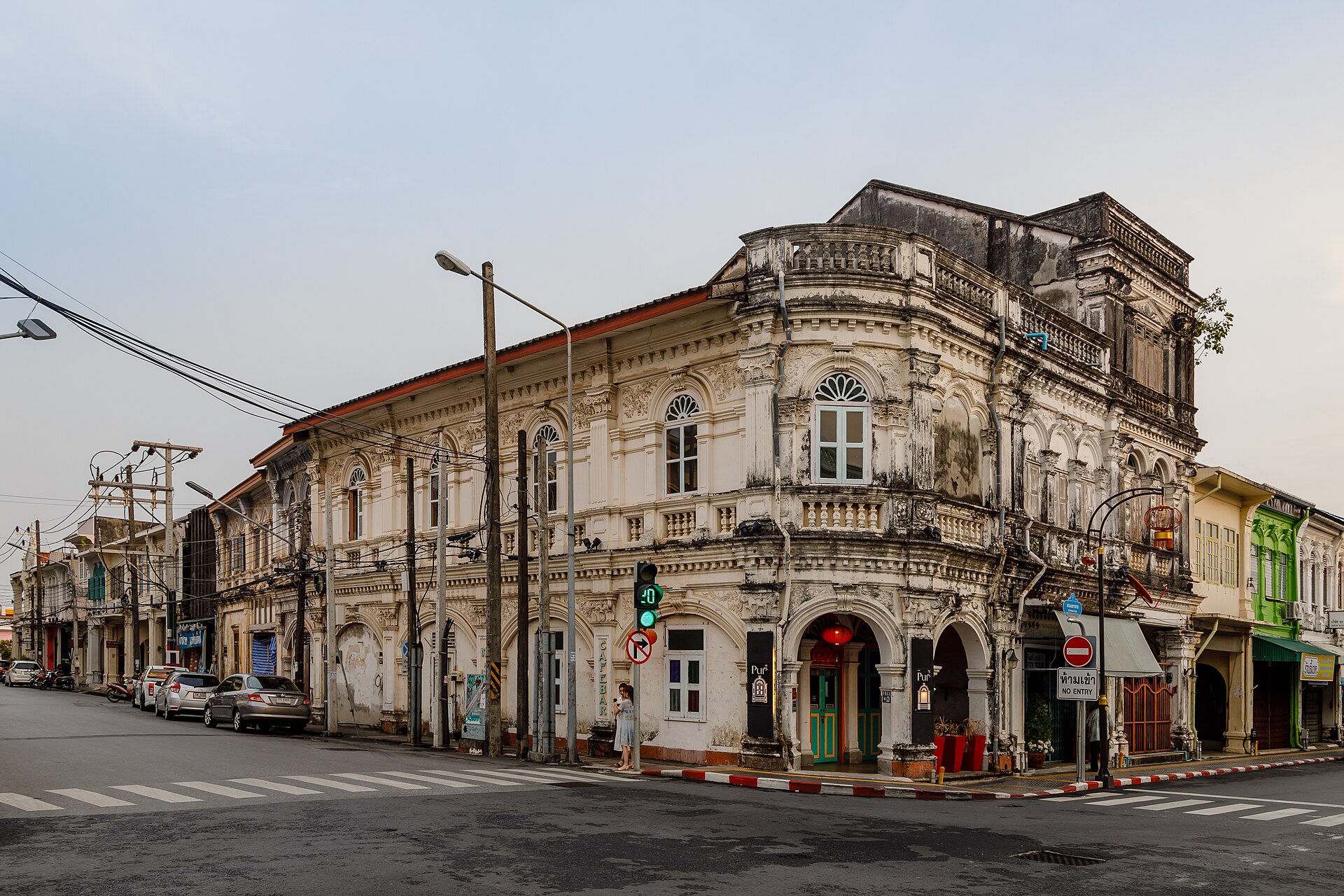
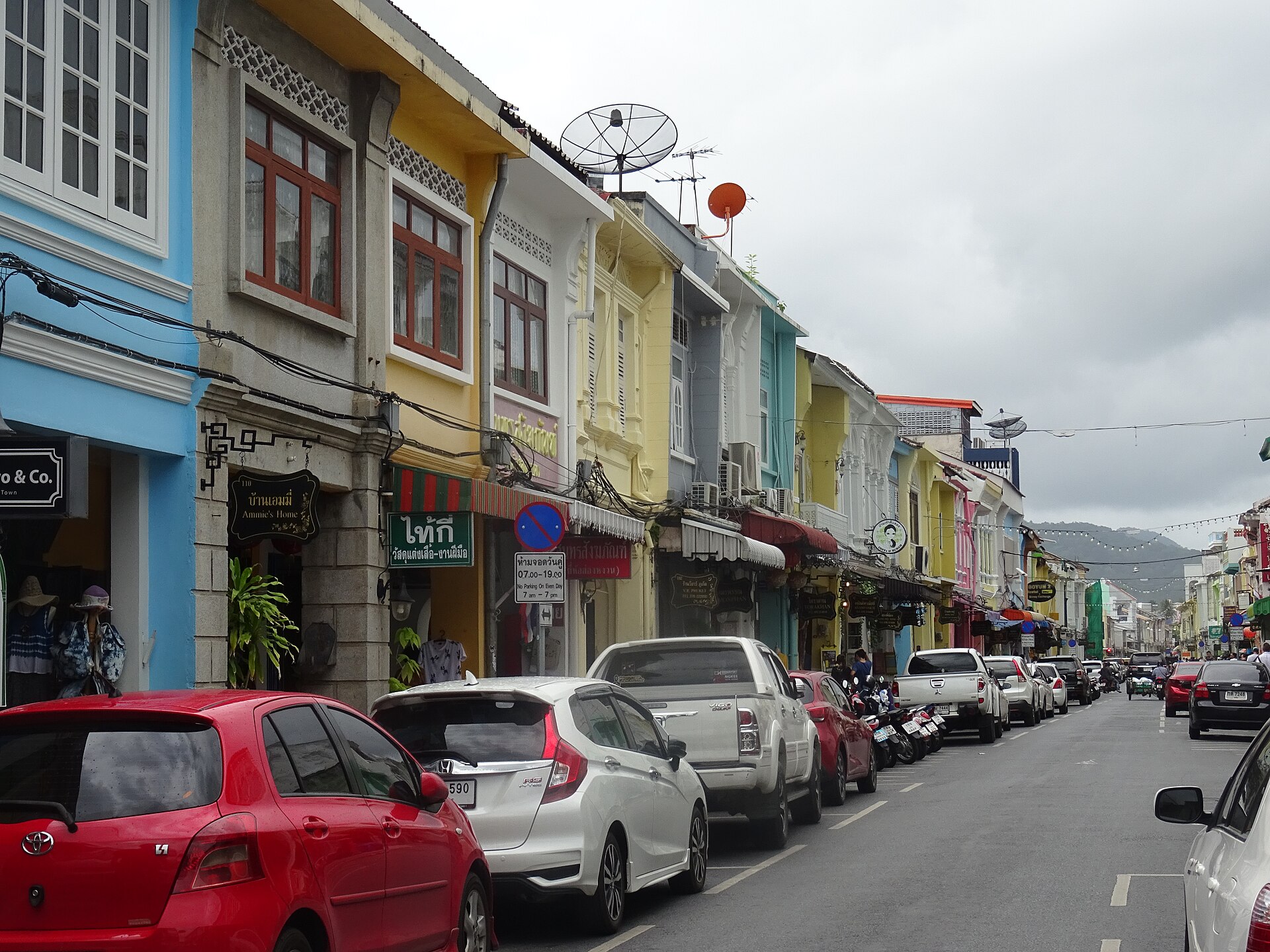
Phuket Old Town is the part of the island that has nothing to do with the beach, and that is exactly why it is worth a day. Rows of pastel Sino-Portuguese shophouses line Thalang and Dibuk roads, built when tin mining brought Chinese and Peranakan merchants here. Incense drifts out of family shrines, old coffee shops serve roti and curry, and on Sunday evenings Thalang Road closes to traffic for a street market. Phuket was named a UNESCO Creative City of Gastronomy in 2015, and the Old Town is where you taste why: mee hokkien noodles, dim sum breakfasts and oyster omelettes you will not find in the beach resorts.
Short answer
- How long: half a day for the streets and shrines, a full day with museums and food
- Best time: early morning or after 4 pm; midday is hot with little shade
- Don’t miss: Soi Romanee, Thalang and Dibuk roads, the Shrine of the Serene Light, a local breakfast
- Sunday: the Walking Street market on Thalang Road, 4–10 pm
- Getting there: about 25–30 minutes by car from Patong or Kata in light traffic, more at rush hour, or the blue bus for 30–40 baht
In this guide (click to expand)
Why Phuket Old Town is worth a day
Most of Phuket’s west coast was built for tourism. The Old Town was built for trade, more than a century ago, and it still feels lived in: families run the same shophouses their grandparents did, shrines are busy with worshippers rather than visitors, and the best food is in plain local restaurants. The architecture mixes Chinese shophouse layouts with colonial-style arches and shutters, a style often called Sino-Portuguese, and the culture is Peranakan, the blend of Chinese and Malay traditions known locally as Baba. It is a completely different side of the island from the beaches.
The streets to walk
Thalang Road is the main street, lined with restored shophouses, cafes, textile shops and old Muslim shophouses serving roti with curry. Soi Romanee, a narrow lane of brightly painted houses running from Thalang towards Dibuk Road, is the most photographed corner of town; it was once the town’s red-light and gambling lane. Dibuk Road, one block north, has some of the finest arcaded shophouses and is at its best in the late afternoon light. Krabi Road and Phang Nga Road hold the museums and the grand old mansions.
The whole area is compact enough to walk in a couple of hours. Picture an early start: a dim sum breakfast before eight, the shrines while the air is still cool, Soi Romanee before the crowds, and a long coffee in an old shophouse when the heat builds.
Shrines, museums and mansions
- Shrine of the Serene Light: a small Chinese shrine from 1891, tucked down an alley off Phang Nga Road. Free to enter.
- Jui Tui Shrine: off Ranong Road, the centre of Phuket’s Vegetarian Festival. Free.
- Thai Hua Museum: a former Chinese school telling the story of tin mining and the town’s communities; about 200 baht for foreign adults.
- Chinpracha House: a privately owned Peranakan mansion with original furniture; about 150 baht.
- Peranakannitat Museum: a free, air-conditioned museum on Peranakan culture; opening hours change, so check on the day.
Opening days and fees change; check before you go, especially for the smaller museums. For a view over the whole town, Khao Rang hill is a short ride from the centre.
Street art and murals in Phuket Old Town
Between the shophouses and shrines, the Old Town has a growing collection of murals. There is no single gallery or official route: the pieces are scattered across the walkable streets, on walls, building fronts and even road surfaces, and new ones keep appearing while a few are well hidden. Part of the fun is finding them.
Places that guides point to as good starting points:
- The Dibuk Road and Phang Nga Road intersection, where several murals are reported.
- Phang Nga Road near the Shrine of the Serene Light, and a covered parking area on the same road.
- The area around the Phuket Town municipal market.
- Soi Talingchan, near the clock circle.
- The streets around Yaowarat Road, which several walking guides use as the centre of the street-art walk.
Allow at least an hour, go in the morning or late afternoon when it is cooler, and wear comfortable shoes. There are no opening hours, because the art is on the street. Because the works change, treat this as a list of areas to wander rather than exact addresses.
What to eat in Phuket Old Town
- Dim sum breakfast: a local morning ritual, best before 8 am.
- Mee hokkien: thick yellow noodles stir-fried with seafood and pork, the town’s signature dish.
- O-tao: an omelette of small oysters and taro.
- Roti with curry: from the Muslim shophouses on Thalang Road.
- Phuket sweets: colourful local desserts, easiest to try at the Sunday market.
Some names that come up again and again, so you have a starting point (menus, hours and Michelin listings change every year, so check before you plan a meal around one):
- Tu Kab Khao on Phang Nga Road: Southern Thai food. It held a Michelin Bib Gourmand in earlier editions but is not in the current guide.
- Raya and The Charm Dining Gallery on Dibuk Road: Phuket cooking in old houses. Raya has held a Bib Gourmand in earlier years, but its status changes between guides, so check the current Michelin list before you plan a meal around it.
- Lock Tien Food Court at the Dibuk and Yaowarat intersection: a local food court.
- Wilai and Kopitiam by Wilai on Thalang Road: small, affordable local restaurants.
- Soi Romanee cafes: Torry’s Ice Cream (local flavours in a pink shophouse) and Coolies Club, a heritage bar and restaurant with a Sunday dim sum brunch.
Many of the best places have no English menu and keep short hours. If you want to understand what you are eating and which stalls are worth it, a guided food walk is the easiest way in. These tours explore the Old Town on foot with a local guide; open a tour to see the current price, start time and number of tastings:
Khao Rang hill for the view
Khao Rang is a small hill on the edge of Phuket Town, not part of the Old Town itself. A paved road leads to the top and entry is free. At the summit there is a statue of Phraya Ratsadanupradit, view terraces and cafes, with the town spread out below. It is roughly 140 to 150 metres high, so it is a view rather than a climb. Long-tailed macaques live here and will grab phones, bags and anything shiny, so keep your things close and never feed them.
Night markets: Sunday and the rest of the week
The Sunday Walking Street (Lard Yai) closes Thalang Road to traffic from about 4 pm until 9 or 10 pm, with hundreds of stalls selling food, crafts and souvenirs. Arrive around 4:30–5 pm to walk it before the biggest crowds. On other evenings, the Indy Market runs from Wednesday to Friday and Chillva Market from Monday to Saturday, with live music later in the evening. Chillva is outside the old centre, a short ride away, so it is a separate trip. A market evening is also the cheapest way to try many Phuket dishes in one go.
A one-day plan for Phuket Old Town
| Time | What to do |
|---|---|
| 8:00–9:00 | Dim sum breakfast, before the best places sell out |
| 9:00–11:00 | Walk Thalang Road, Soi Romanee and Dibuk Road while the light is soft; stop at the Shrine of the Serene Light and Jui Tui Shrine |
| 11:00–13:00 | Thai Hua Museum and Chinpracha House, both out of the sun |
| 13:00–15:30 | Lunch (mee hokkien or roti with curry) and a long coffee in an old shophouse during the heat |
| 15:30–17:00 | Murals around Phang Nga and Yaowarat roads, or a ride up Khao Rang for the view |
| From 16:30–17:00 | Sunday: the Walking Street on Thalang Road. Other evenings: Indy Market (Wednesday to Friday) |
Best time to visit and practical tips
- Morning (about 9 to 11 am) gives soft light and quiet streets. Many food stalls on Soi Romanee close by early afternoon.
- Skip the midday heat (roughly 11:30 am to 4 pm) unless you are inside a museum.
- Soi Romanee is calmest early in the morning or at dusk on weekdays. People live there, so be considerate with your camera.
- Vegetarian Festival: held in September or October, dates vary. It is the most colourful and the busiest time, centred on Jui Tui Shrine, so book ahead if you plan to stay.
- Shrines are active places of worship. Dress modestly and take your shoes off where asked.
- Time needed: three to four hours covers the main streets, a full afternoon and evening if you add museums and the Sunday market.
How to get to Phuket Old Town
From Patong, Kata or Karon, Grab or Bolt take about 25–30 minutes in light traffic and typically cost around 300–500 baht; allow more time at rush hour and before the Sunday market. The blue songthaew buses from the beaches to Ranong Road cost about 30–40 baht but are slow, stop running in the early evening and only go to and from town. In town, the free Dragon Line bus loops around the Old Town every 15 minutes during the day. Driving yourself is easy, but parking in the old centre takes patience; see getting around Phuket for all the options.
Should you stay in Phuket Old Town?
Staying in town suits food lovers, culture-seekers and budget travellers: rooms, often in restored shophouses, are usually cheaper than on the west coast, and you can walk to breakfast, markets and evening bars. The catch is that there is no beach; the nearest are 25–40 minutes away by car. Many travellers spend one or two nights here at the start or end of a trip, then move to the coast. Our guide to where to stay in Phuket compares the Old Town with the beach areas.
Phuket Old Town: FAQ
Is Phuket Old Town worth visiting?
Yes, especially if you want a break from the beach. The shophouse streets, shrines and local food give a side of Phuket the resorts do not.
When is the Phuket Sunday market?
Every Sunday from about 4 pm to 10 pm on Thalang Road, which closes to traffic.
How long do you need in Phuket Old Town?
Half a day for the main streets and shrines; a full day if you add museums, a food tour or the Sunday market.
What should I wear in Phuket Old Town?
Light, breathable clothes and comfortable shoes. Cover shoulders and knees if you plan to enter shrines or temples.
Is there a beach in Phuket Town?
No. The nearest beaches are 25–40 minutes away by car, so the Old Town works best as a day trip or a short stay.
Where can I see murals in Phuket Old Town?
The murals are scattered around the Old Town rather than in one place. Good starting areas are the Dibuk and Phang Nga road intersection, Phang Nga Road near the Shrine of the Serene Light, the area around the municipal market, Soi Talingchan and the streets around Yaowarat Road.
Is Khao Rang Hill free?
Yes, there is no entry fee. A paved road leads to the summit, where there is a viewpoint, a statue and cafes. Watch your belongings, because macaques live there.
More for your trip: all our guides in one place in the Phuket Travel Guide.
Cover photo: Christophe95 / Wikimedia Commons, CC BY-SA 4.0.