This guide contains affiliate links. If you book a hotel or tour through one, we may earn a small commission at no extra cost to you.
Phu Quoc pearls have a reputation problem, and it’s a fair one. Most “pearl farm” stops built into day tours exist to sell, not to inform, and a lot of what’s sold as “pearl” jewelry at the night markets is glass or dyed shell, not nacre. That doesn’t mean real Phu Quoc pearls don’t exist — they do, farmed in the island’s clear coastal waters since the 1990s — it means you need to know where to look and how to tell the difference before you spend anything.
In this guide (click to expand)
Contents
The pearl-farm stop on your tour is a sales funnel
If a day tour includes a free “pearl farm visit,” treat it as a shopping stop first and an educational one second. These stops are typically built around a short walk past a few tanks, followed by a push toward a showroom where sales pressure is real once you’re inside. The tanks are usually genuine, which is what makes the pitch convincing — but that doesn’t mean every piece pushed hardest at the counter is a fair deal. Ask whether you’re looking at a working farm or mainly a retail stop, compare what you’re shown against a dedicated Phu Quoc pearls showroom in town, and don’t feel obligated to buy on the spot.
Night market stalls are worse, not better. Phu Quoc’s pearl reputation has made “pearl” jewelry a default souvenir at almost every market table, and a lot of it is glass, shell or plastic beads rather than nacre — treat it as decorative unless a seller can show otherwise. If a strand costs less than a cheap dinner, it isn’t a real saltwater pearl. For what’s actually worth buying at the markets themselves, see our Phu Quoc night markets comparison.
How to actually tell real from fake
⚠ What you’ve probably heard: shine a flashlight through it, rub it on your teeth, check if it looks “too perfectly round” to be real. None of these prove a pearl’s type, quality or origin on their own — that takes lab equipment, like the real-time microradiography GIA uses, not a flashlight or a fingernail.
✓ Still worth doing as a first filter, just don’t treat any of them as proof:
- Weight and temperature: real pearls feel cool against skin for a moment before warming, and plastic imitations are noticeably lighter than a same-sized genuine pearl. Glass beads, though, sit close to the same weight as nacre, so this reliably rules out plastic, not glass.
- Surface under close light: genuine pearls usually show tiny irregularities, faint ridges or slightly uneven shape, while cheap imitations tend to look suspiciously perfect. It’s a clue, not a rule — some well-made fakes mimic it, and a flawless-looking pearl isn’t automatically suspect.
- The tooth test, with a caveat: drawn gently across a front tooth, genuine nacre feels slightly gritty while glass and plastic feel glassy-smooth. Gemologists treat this as a screening clue, not proof — it can’t separate natural from cultured pearls, and rubbing hard enough risks scratching the nacre. Use it lightly, if at all, and never on a pearl you don’t already own.
- Ask about documentation once the price climbs. A GIA report isn’t required for everyday cultured-pearl jewelry — most showroom pieces don’t come with one — but it matters more on a fine strand, a large South Sea or Tahitian pearl, or anything sold as natural rather than cultured. A seller who gets vague about a high-value piece’s origin is a bigger red flag than the absence of paperwork on a modest one. You can see what a real report looks like at gia.edu.
Real, cultured, freshwater, imitation: what the labels actually mean
Most of the confusion around “real” pearls comes from treating it as a single yes/no question when it’s really a handful of distinct products:
- Natural pearls form by chance in a wild oyster with no human intervention. They’re rare and expensive, and almost nothing sold as a tourist souvenir anywhere is one — a showroom claiming “natural” on an affordable piece is a red flag, not a selling point.
- Saltwater cultured pearls (South Sea, Tahiti, Akoya) are real pearls grown inside a real oyster, with a technician inserting a small bead nucleus to trigger nacre growth. This is what a legitimate Phu Quoc showroom sells — “cultured” doesn’t mean fake, it means farmed rather than found by chance.
- Freshwater cultured pearls grow in river mussels rather than saltwater oysters, usually without a bead nucleus, which is why they’re often less perfectly round and noticeably cheaper than saltwater pearls of similar size.
- Imitation pearls are glass, shell or plastic beads coated or dyed to look like nacre. This is most of what fills the night-market tables. They’re not a scam when sold honestly as costume jewelry for a few dollars — the problem is only when they’re priced or marketed as the real thing.
- “Phu Quoc pearls” means saltwater pearls cultured in farms around the island — mainly South Sea, Akoya and Tahiti varieties — using oysters raised in local coastal waters. It describes where they were farmed, not a separate type of pearl. You’ll also see “Maxima” on local showroom catalogs: that’s not a fourth type, it’s the name of the oyster (Pinctada maxima) that produces South Sea pearls, so on a Phu Quoc price list “Maxima” and “South Sea” usually mean the same pearl.
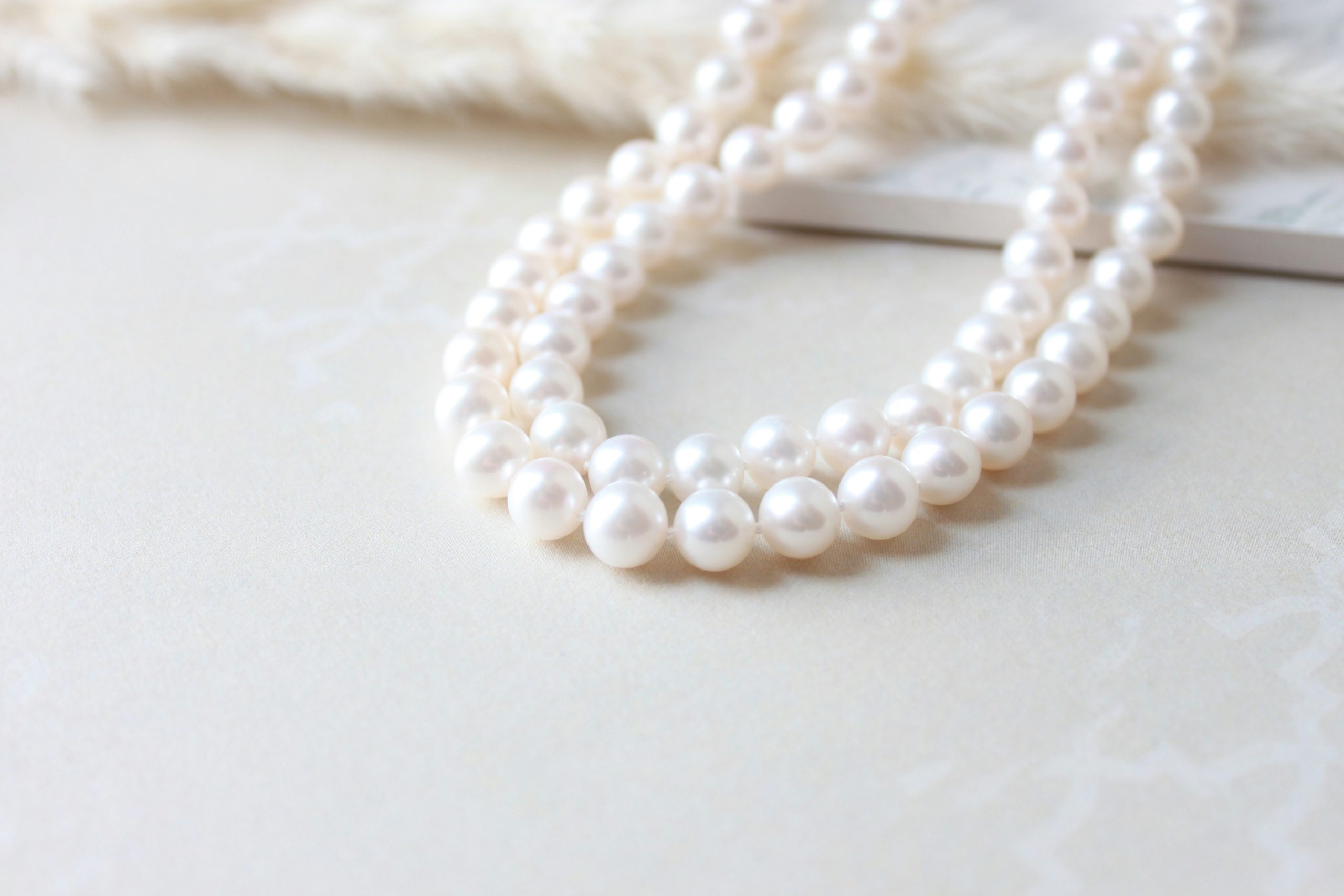
✨ The GIA’s 7 pearl value factors — a far more useful framework than any single at-home test:
Size · Shape (round and symmetrical costs more than baroque) · Color (body color plus overtone) · Luster (sharp, bright reflection — the biggest driver of how good it looks) · Surface quality (fewer blemishes) · Nacre quality (thickness and durability) · Matching (uniformity across a strand).
A seller who can talk through these specifics on a piece is a better sign than one who just insists it’s “100% real.”
Where to actually buy Phu Quoc pearls
Ngoc Hien Pearl Farm
Ngoc Hien’s public showroom and exhibition is in Duong To Hamlet, open daily from around 8:00 to 21:00; the oyster-growing side of the operation sits elsewhere on the island and isn’t something casual visitors tour. Operating since 1994 using Japanese pearl-culturing technique, it’s the most established producer of Phu Quoc pearls on the island and sells a genuine range — Tahiti, South Sea, Akoya, Mabe and Maxima pearls, in loose stones, strands and set jewelry. Because there’s a real farming operation behind it, prices and selection are generally more trustworthy than a tour-bundled stop, though it’s still a commercial showroom — go in informed, not just curious.
Long Beach Pearl
Long Beach Pearl’s main Phu Quoc showroom is at 124 Tran Hung Dao in Duong Dong, open daily from 7:30am to 9:30pm — easy to fold into an evening walk if you’re staying near Long Beach. The brand also runs retail counters inside VinWonders Phu Quoc (stall S-11A, daily 8am–8pm) and at Wyndham Grand in Bai Dai (daily 8am–10pm), useful if you’re based in the northern resort belt rather than Duong Dong.
Quoc An Pearl
A third established option, in business since 1995, based in Suoi May Hamlet, Duong To Commune — close to Ngoc Hien and away from the Long Beach shopping strip. Quoc An’s catalog runs Akoya, Tahiti, Maxima (the local name for South Sea-type pearls, see above) and freshwater, with less of the cheap souvenir-grade freshwater stock you’ll find elsewhere. Store hours aren’t consistently published online, so call or check ahead before making a special trip out there.
Which one should you visit? A quick side-by-side:
Ngoc Hien Pearl Farm
Duong To Hamlet · daily ~8am–9pm
✓ Best for
biggest selection, strongest farm-tied story.
Long Beach Pearl
124 Tran Hung Dao, or VinWonders / Wyndham Grand in Bai Dai
✓ Best for
staying near Long Beach or Bai Dai, convenient retail access.
Quoc An Pearl
Suoi May Hamlet, Duong To · call ahead
✓ Best for
a quieter, less touristy showroom near Suoi May.
None of the three is automatically cheaper or more authentic than the others — compare the actual pearls, ask about documentation, and check the return policy before you commit.
If you’re mentioning staying near Long Beach or Duong To for easy showroom access, compare current hotel rates or see them on the map:
What real pearls actually cost
Pearl prices vary enormously even between pieces that look similar at a glance, so treat any figure here as a rough starting point, not a quote.
$30–60
loose pearl or simple pendant
Low hundreds
small freshwater or Akoya strand
Several times more
South Sea / “Maxima” strand
Prices climb quickly with size, luster and how well pearls are matched.
Before comparing prices between sellers, check what you’re actually comparing: pearl type, diameter in millimeters, number of pearls on the strand, whether the color has been treated, and what the clasp and setting are made of. A low price doesn’t automatically mean a pearl is fake, but an unusually cheap piece sold as a rare, high-grade South Sea strand is worth a second look. For anything expensive, ask for an itemized receipt and check the return policy before you pay.
Is a Phu Quoc pearl actually worth buying?
If you want to see established sellers, compare real pearl varieties in person and come home with something genuine, yes — Ngoc Hien, Long Beach Pearl and Quoc An all sell real cultured pearls. Just don’t assume everything in a Phu Quoc showroom was necessarily farmed on this specific island; some stock may be sourced from elsewhere in Vietnam or the region, so ask if local origin matters to you. If you just want a pretty, inexpensive souvenir and don’t care whether it’s a real pearl, the night market stalls are fine for that — just don’t pay real-pearl prices for them, and don’t expect a GIA certificate to come with a $5 necklace.
For other local products worth bringing home, see our King Kong Mart guide, our pepper, sim wine and fish sauce guide, or the full Phu Quoc shopping guide for everything else worth buying on the island.
A dedicated pearl-farm visit pairs well with other stops on the island. A few popular Phu Quoc tours worth booking ahead:
Showrooms are scattered around the island, so having your own car makes visiting a couple of them easier. Compare rental cars for Phu Quoc:
A few practical questions
Are Phu Quoc pearls at night markets real?
Pearl jewelry at Phu Quoc’s night markets can be genuine cultured pearls, but it’s just as often glass, shell or plastic sold as an inexpensive souvenir — you can’t reliably tell which from the stall alone. Markets are fine for cheap decorative pieces, but for a real purchase, go to a dedicated showroom like Ngoc Hien Pearl Farm, Long Beach Pearl or Quoc An Pearl and ask about documentation.
Should I buy pearls at the farm stop on my day tour?
Be cautious. These stops are built for sales pressure and often price well above what a dedicated showroom charges for the same quality. It’s fine to look, but compare before you commit to buying there.
What’s the easiest way to check if a pearl is real?
There isn’t one. No home test reliably establishes a pearl’s type, quality or origin — that takes lab equipment, like the real-time microradiography GIA uses, not a flashlight or a tooth. Weight and surface texture can rule out an obvious plastic bead, but genuine glass imitations sit close enough in weight to pass that test too. For anything beyond a cheap souvenir, ask about documentation and judge the piece against the standard value factors — size, shape, color, luster, surface, nacre and matching — rather than relying on a single test.