This guide contains affiliate links. If you book through them, we may earn a commission at no extra cost to you. Read our disclosure.
The calendar says Phuket has a dry season and a rainy season, but in practice it is only a guide: a sunny week can come in June and a wet one in January. What changes reliably is the sea, the prices and which tours run. Those three decide the best time to visit Phuket for you.
This guide to the best time to visit Phuket goes month by month, then shows which months suit beaches, tours, a lower budget and a rainy-season trip that still works.
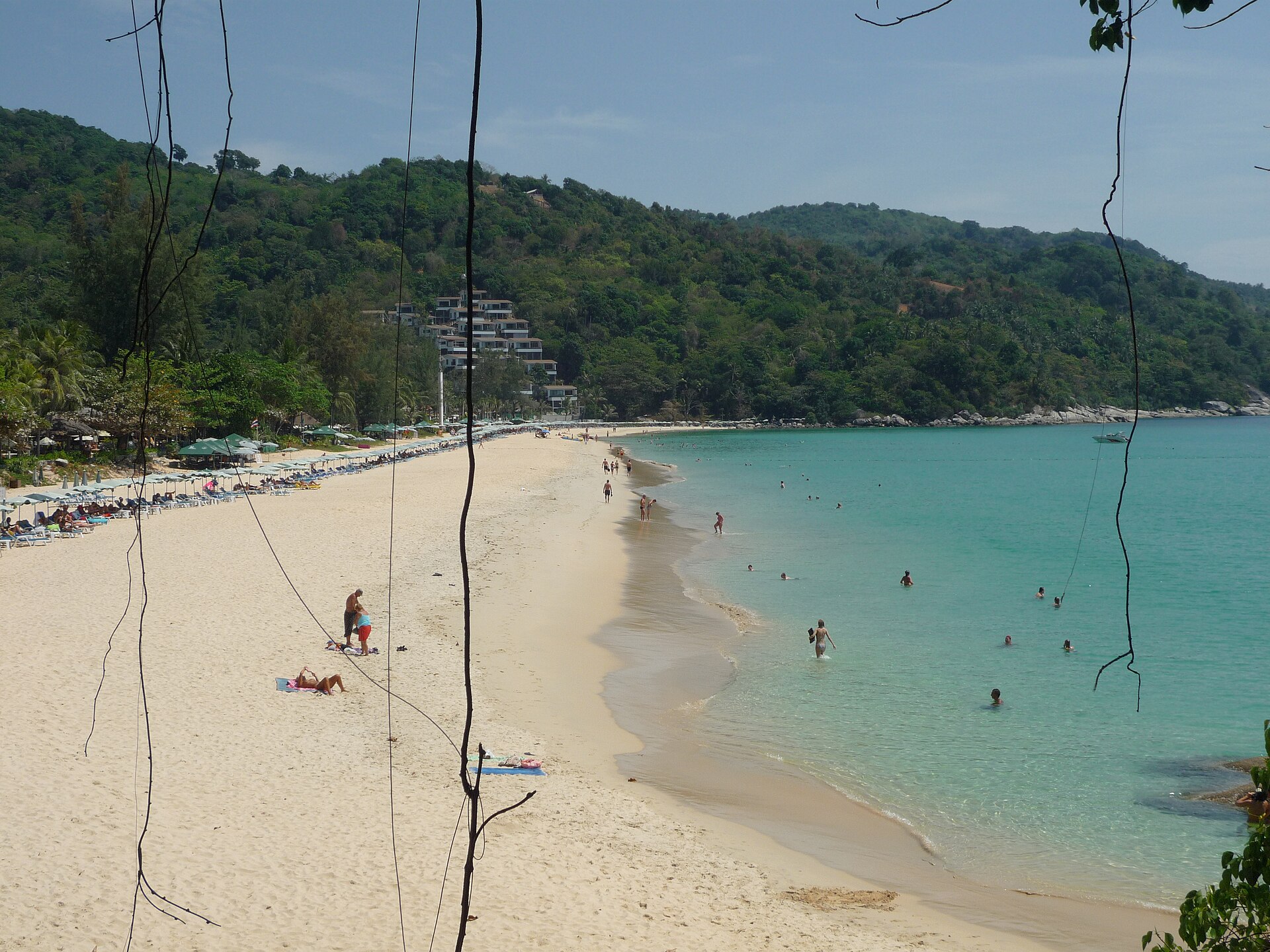
Short answer
- Best time to visit Phuket: November to April. The west-coast sea is calm and swimming is easy.
- Best balance: January and February, the driest and calmest months. They are also the most expensive, along with Christmas and New Year.
- Lower prices: November, and the rainy season from May to October. You get fewer people, but waves and red flags on the west coast.
- Least pleasant month, in our experience: May. It is hot and close, rain is frequent, and the sea already has waves.
- Tours: the Similan Islands are open only from 15 October to 15 May, but many trips usually run all year, weather permitting: Phi Phi, Phang Nga Bay, Khao Sok and Cheow Lan Lake, hot springs and other land tours.
In this guide (click to expand)
In this guide
Best time to visit Phuket, month by month
The sea is warm all year, around 28 to 30°C. What changes is the surf, the rain and the crowds. The figures below are averages, so treat them as a guide and not a promise.
| Month | Weather | Sea | Prices and crowds | Good to know |
|---|---|---|---|---|
| January | About 32°C by day, around 4 to 5 rainy days | Calm and clear | Peak season, high prices | One of the best months for swimming. A shower is still possible. |
| February | About 33°C, around 3 rainy days | Calm, very clear | High season. Patong, Kata and Nai Harn are busy. | Often the driest month. Chinese New Year brings extra crowds and higher prices. |
| March | About 33°C, around 5 rainy days | Calm, with an occasional swell | High season, busy roads | Hot but reliable. |
| April | One of the hottest months, 33 to 34°C, around 11 rainy days | Mostly calm | The high season winds down | Songkran water festival in mid-April. Air conditioning matters at night. |
| May | About 32°C, humid, around 21 rainy days | Waves on the west coast | Prices start to fall, fewer visitors | The Similan Islands close from 16 May. In our experience the least pleasant month. |
| June to August | About 31°C, around 19 to 20 rainy days a month | Rough on the west coast, red flags are common | Low season, quieter beaches, cheaper hotels | Fine for a pool holiday. |
| September | The wettest month, around 23 rainy days | Rough, with strong currents | The lowest prices, calm roads | Expect long wet spells. |
| October | Around 22 rainy days | Improving but unpredictable | Low season, prices start to rise at the end | The Similan Islands reopen on 15 October. The Vegetarian Festival usually falls in September or October. |
| November | About 31°C, around 16 rainy days | Calming down | Shoulder season, usually cheaper than December | Loy Krathong, see our Phuket Loy Krathong guide. |
| December | About 31°C, around 8 rainy days | Calm and clear | Peak season begins, highest around Christmas and New Year | Book early for the holidays. |
Rainy days differ between sources, because they count days with any rain. A rainy day in Phuket is often a heavy shower and then sun, not a grey day from morning to night.
Weather in Phuket is less predictable now
In our experience the neat calendar works less well than it used to. A dry-season week can bring several days of rain, even in January, and a rainy-season week can give you long sunny spells. So do not rule out a month because of its label, and do not expect a perfect month either, even in the best time to visit Phuket.
- Check the forecast a few days before you fly, and again on arrival.
- Choose a hotel with a good pool. It saves a wet or rough day in any month.
- Keep one flexible day for the island or the boat trip you care about most.
Which month suits what
| If you want | Go in | Why |
|---|---|---|
| Calm sea and beach days | December to March | The west coast is calmest and the sun is most reliable. |
| Island hopping and the Similans | November to April | Boats run most days and the Similan Islands are open from 15 October to 15 May. Phi Phi, Phang Nga Bay and Khao Sok usually run all year, weather permitting. See our Similan Islands guide. |
| Lower prices and fewer people | November, or June to August | Hotels cost less. In the rainy months the sea is rough on the west coast, so plan for the pool. |
| Travelling with children | December to February | Gentle sea and reliable weather. See Phuket with kids. |
Picked your month? Check flights before prices rise:
Is the rainy season worth it?
Yes, it can be a good time to visit Phuket if you plan around it. From May to October the west coast gets waves and red flags are common, so you will swim in the hotel pool more than in the sea. In return you get lower prices and quieter beaches, though heavy rain can flood roads and slow traffic. Many days are sunny in the morning and rainy later.
- Pick the hotel first. A pool, good restaurants on site and a room you enjoy matter more than the beach.
- Look to the east coast. The beaches there face away from the monsoon swell and are often calm when the west is rough. See the tip below.
- Open-sea boat tours can be cancelled in rough weather. Phang Nga Bay and Khao Sok lake trips usually operate year-round, subject to weather and safety restrictions, but a storm warning can cancel them too. Book a flexible option and keep a spare day.
- Always obey the flags. Red means do not swim, even if the water looks calm.
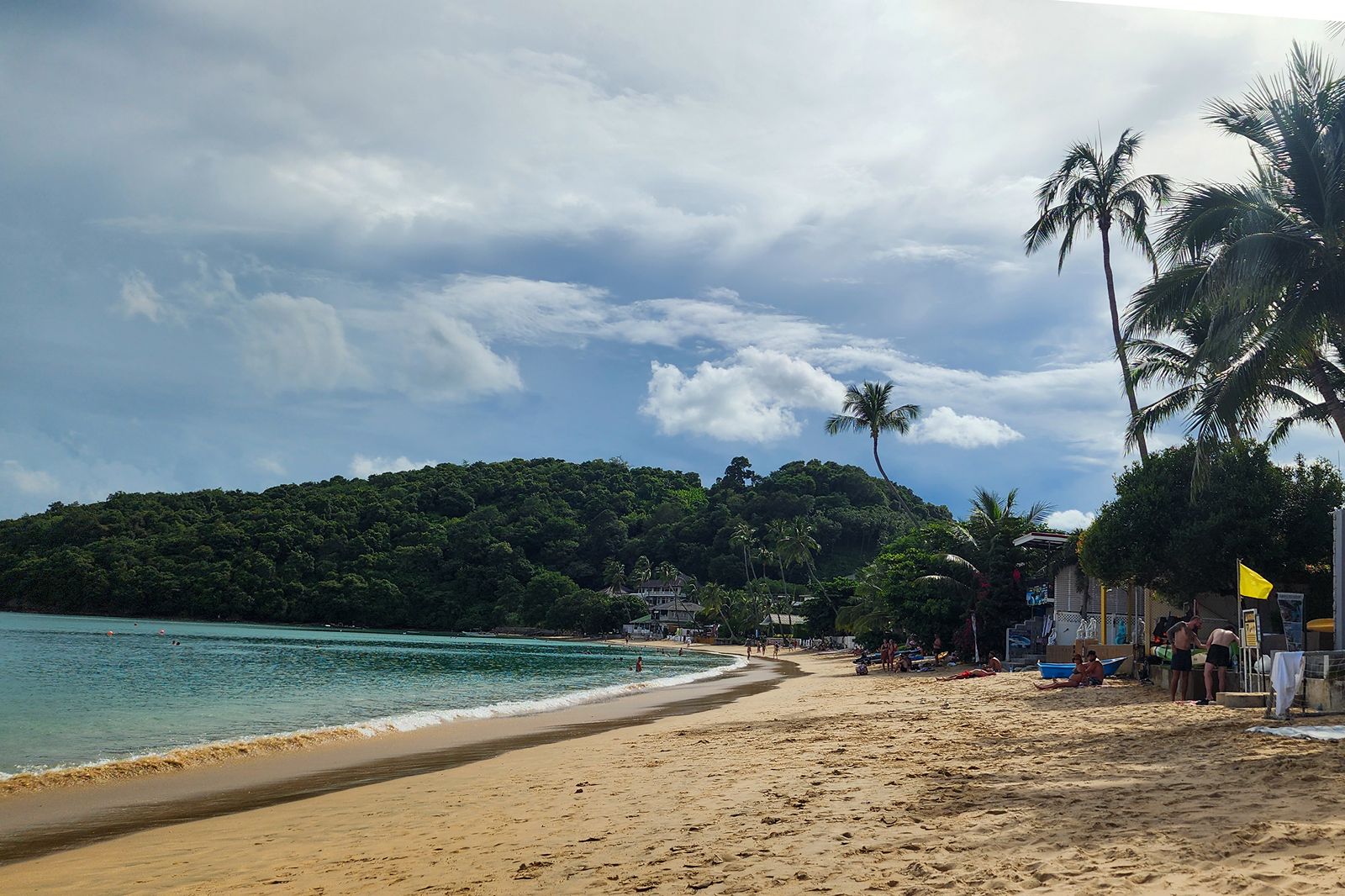
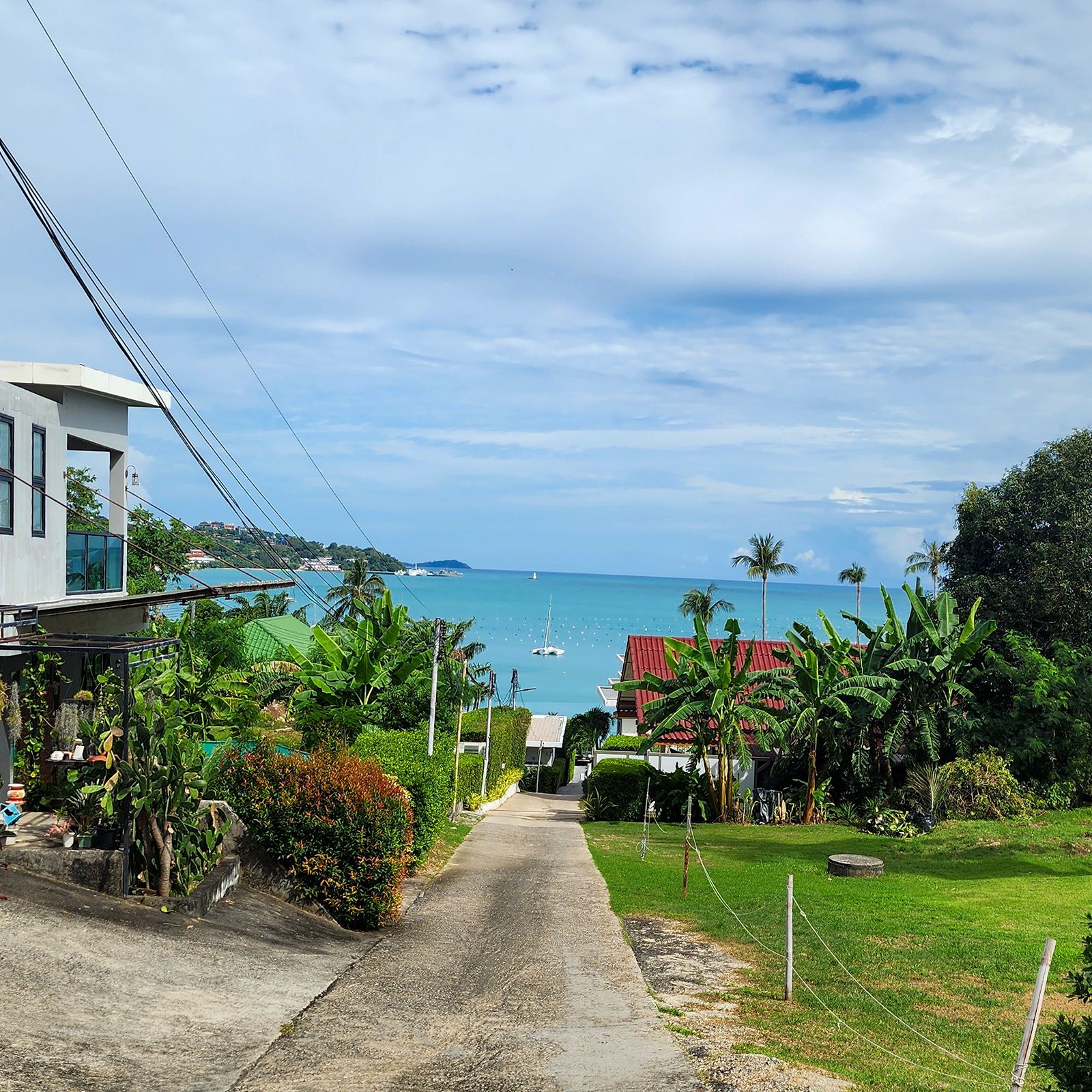
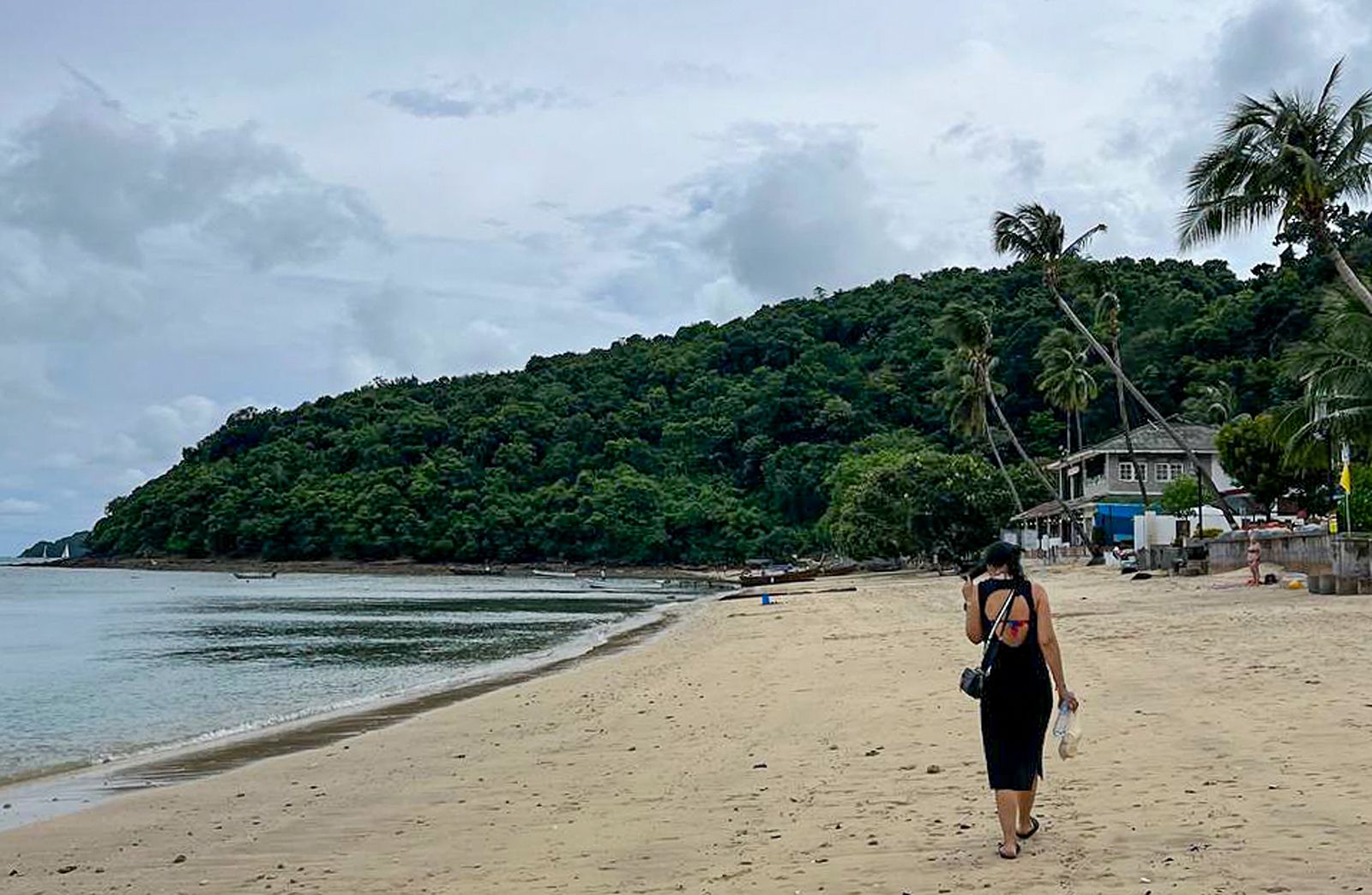
Our low-season beach: Ao Yon. This small bay near Cape Panwa on the east coast is the one to try when the west coast is rough. It is about 15 to 25 minutes by road from Phuket Town, and the water is often nearly flat when Kata and Patong have red flags. It is a quiet local bay, not a resort strip: there are a few beach clubs and restaurants, little shade, no lifeguard, and cars cannot go all the way down, so you park on the main road and walk. Calmer water does not mean safe swimming: there is no lifeguard, so check the water when you arrive, and use a map the first time because the signs are poor.
For wet-day ideas see the rainy-day section in our Phuket with kids guide, or plan the Phuket 3-day itinerary around the forecast.
Where to stay by season
Where to stay depends on when you go. For the full comparison of areas, see where to stay in Phuket and the best beaches in Phuket, or go straight to Patong, Kata, Karon, Kamala and Bang Tao.
| When | Where to stay | Why |
|---|---|---|
| November to April | Any west-coast beach: Patong, Kata, Karon, Kamala or Bang Tao | The sea is calm, so choose by style and not by weather. |
| May to October | A hotel with a good pool and restaurants close by, such as in Kata, Karon or Patong | You will use the pool more than the sea, and you want things to do within walking distance. |
| Christmas, New Year, Chinese New Year | Any area, booked early | Prices and demand peak. |
Compare hotels on a map:
Tours from Phuket by season
Not every trip from Phuket is an island trip, and not every one depends on the sea. Open-sea boat trips to far islands are the first to be cancelled when the water is rough, and the Similan Islands are open only from 15 October to 15 May. But the low season is far from empty: Phuket has plenty to do from May to October, and fewer people to share it with. Here is what keeps running.
- Phi Phi: tours are available all year, but individual departures can be cancelled or moved when the sea is rough. Expect waves on the crossing. Maya Bay itself is closed for about two months in the rainy season, usually August and September, so check the dates. See our Phi Phi tour guide.
- Phang Nga Bay: the mainland shelters the bay, so the water is usually calmer than in open sea and tours to James Bond Island, Koh Panyee and the sea-kayaking caves usually operate year-round, subject to weather and safety restrictions. Low cloud can even make the limestone cliffs look more dramatic. See our Phang Nga Bay tour guide.
- Khao Sok and Cheow Lan Lake: a freshwater lake inside a national park, so waves do not matter. You can go for a day or stay a night in floating bungalows. It is roughly a 2.5 to 3 hour drive each way from Phuket. In the wet months the waterfalls are full and mist hangs over the cliffs, though some caves can close for a while after heavy rain. The most predictable weather for the trip is from November to April.
- Phang Nga hot springs: a land trip north of Phuket, about an hour and a half by road, with warm mineral pools.
- Land tours: waterfalls, temples, elephant sanctuaries and a cooking class do not depend on the sea.
The mainland north of Phuket, around Khao Sok and Khao Lak, also works well for a day trip or an overnight stay when the west-coast sea is rough. Choose a flexible booking, and check the marine forecast and confirm with the operator the day before. For nearby islands, see the Coral and Racha island tours.
Events that affect your dates
- Songkran, mid-April: street water fights for several days. Fun, wet and busy.
- Loy Krathong, November: floating lanterns on the water. The date changes each year. See our Phuket Loy Krathong guide.
- Vegetarian Festival, usually September or October: street processions and food stalls, mostly in Phuket Town.
- Christmas, New Year and Chinese New Year: the highest prices and the busiest weeks of the year. Chinese New Year falls in late January or February, and the dates change each year. Book early.
Practical tips
- Pack for rain in any month. A light rain jacket and quick-dry clothes. See our Phuket packing list.
- Book flexible rates if you travel from May to October.
- Getting around: traffic is slower in the rain. See getting around Phuket.
- Run through the basics with the Phuket travel checklist.
Arriving after a long flight? Book the airport transfer before you go.
Before you fly, add mobile data and travel insurance.
For Khao Sok and Cheow Lan Lake, December to April usually brings the most predictable weather for these trips. See Khao Sok from Phuket for details by season.
Frequently asked questions
What is the best time to visit Phuket?
November to April is the best time to visit Phuket. The west-coast sea is calm and the weather is the most reliable. January and February are the driest, and also the most expensive.
When is the cheapest time to visit Phuket?
The lowest prices are usually in the rainy season from May to October, with September the quietest. November is a cheaper shoulder month before December prices rise.
Is the rainy season in Phuket worth it?
Yes, if you choose a hotel with a good pool and accept rough seas on the west coast. You get lower prices and fewer people, and many days are sunny for part of the day.
Does it rain all day in Phuket in the rainy season?
Not usually. Rain often comes as heavy showers with sunny breaks. Some wet spells last several days, especially in September and October.
Can it rain in Phuket in January?
Yes. January is usually dry, but showers can come in any month, so check the forecast before you travel.
When are the Similan Islands open?
The Similan Islands are open from 15 October to 15 May. They are closed for the rest of the year because of the rough sea.
Which is the worst month to visit Phuket?
In our experience May, because it is hot and close with frequent rain and waves. September has the most rain. Neither is a write-off if you plan around the pool.
Planning more of the trip? See our Phuket accommodation guide, the 3-day itinerary and all of our Phuket guides.
Notes. Weather figures are averages from climate sources and vary from year to year. Prices, opening dates and event dates change, so check before you book.